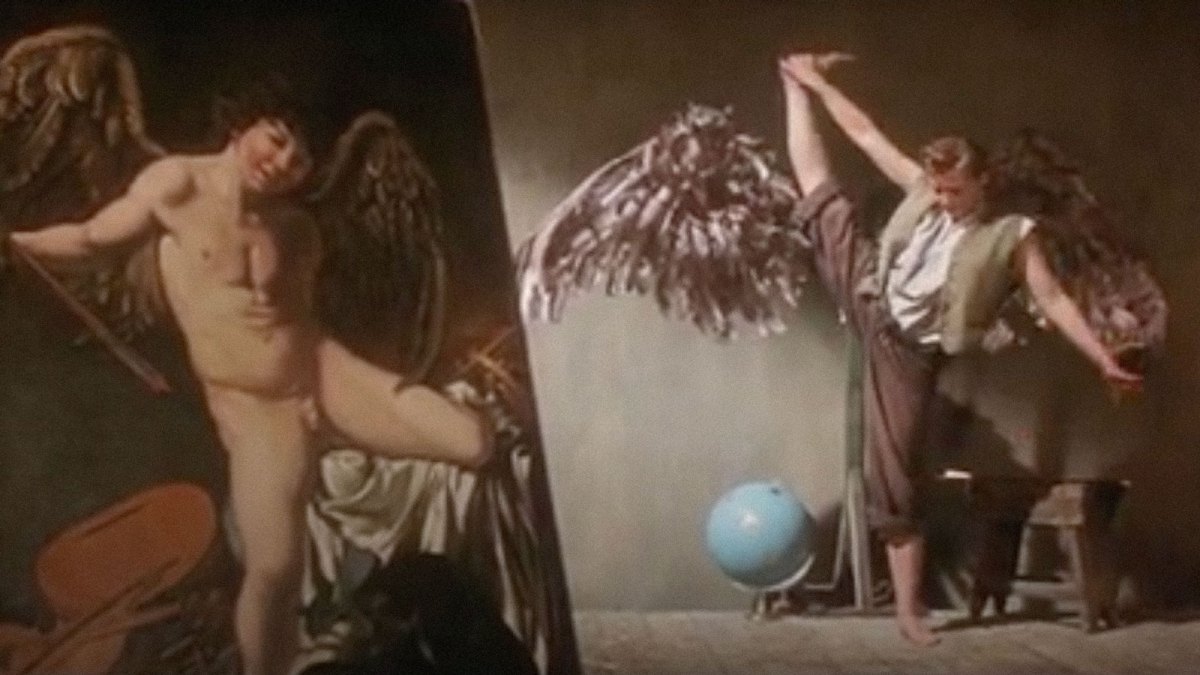
Thirty years ago, Queering the Pitch loosed one of the most powerful institutional revisions in musicology’s long and anxious history. Published in January of 1994, the book posed a forceful injunction to the field at large: Queerness—with all its social and political ramifications—could and would no longer be ignored by the ivied academies of Western art music. Music, it argued, never took place in a vacuum, and theoretical work hell-bent on abstracting it was willfully ignoring the embodied context that gave music life. And it staked the now-famous argument (amplifying parallel criticisms in Black musical scholarship, with nods to Susan McClary) that differently socialized bodies experience music differently: that the cultural pathways impressed on the subjective listener are ineluctable from the labor of active, critical reception.