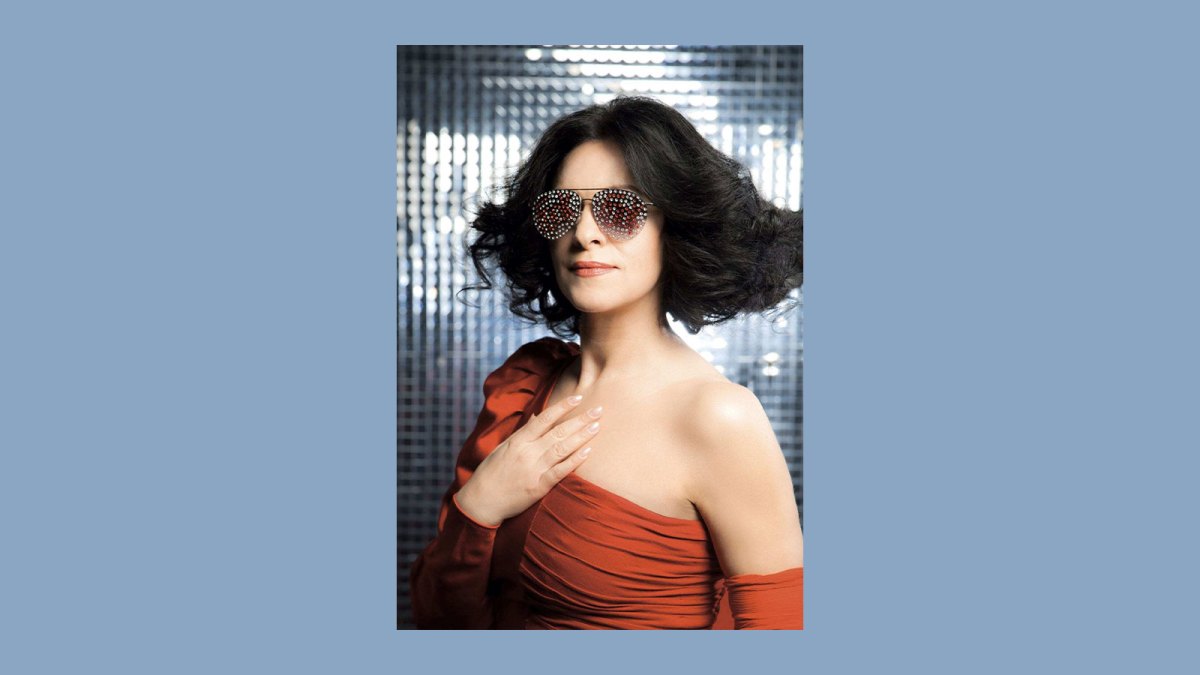
In Angela Gheorghiu: A Life for Art, a memoir-cum-book-length-interview coauthored with journalist Jon Tolansky, the Romanian soprano recalls an early-career performance of “La traviata” in Salzburg. She was already on edge when she learned that the original conductor had been replaced by Riccardo Muti—whom she had specifically requested not to work with, fearing the Italian maestro’s reputation for being controlling with his musicians. “I had lived through twenty-five sufficient years of Communism, in which I had been constantly told what to do and how to do it and where I had no freedom of opinion,” she recalled.
Nevertheless, Muti was in the room from the first day of rehearsals, a tense process that culminated with the conductor firing the rehearsal pianist and taking over the job himself. At the end of one rehearsal, tenor Roberto Alagna—Gheorghiu’s husband and a close friend of Muti’s—showed up, even though he was not in the cast. “Because I love you as my son, I let you attend my rehearsals,” Muti told the tenor. Alagna countered: “Because I love you as my father, Angela sings here.”
In that moment, Gheorghiu must have felt as though she were living her own version of “Traviata,” these two men in her life calling dibs on both her working conditions and her autonomy. Unlike Violetta, however, Gheorghiu was not content to live out the plot as it was written. “I have to sing ‘La traviata,’” she snapped at both men. “You were not supposed to conduct, you have no business here, so quiet, please…mi lasciate fare?” (“Will you let me do it?”)
Out of context, it’s a mild example of the kinds of stories that have trailed Gheorghiu throughout her career: Legendary firings and fracases that have painted her as a temperamental diva whose life is an opera, both onstage and off. In a 2021 interview with Marina Poplavskaya, however, I was struck by a comment she made about the gendered nature of using “diva” as a four-letter word. Of all the sopranos she could bring up to illustrate that point, Poplavaksaya chose Gheorghiu: “In the newspaper, I’ve read disgusting articles [about her]. Who are these people? She has her opinion, she expresses her opinion in a polite way. She doesn’t throw, I don’t know, a cup of coffee in someone’s face.”
I wanted to know how Gheorghiu felt about this. After all, I could project a century or so of feminist theory and revisionist history onto her story. Or I could honor her request and let her do it. We began by discussing her new album, “A Te, Puccini,” featuring the composer’s little-heard art songs, including a world premiere recording of his “Melanconia.” (She also returns to the “La Bohème” at London’s Royal Opera House; performances began yesterday.)
Everything I Am on This Earth
An interview with Angela Gheorghiu