
.jpg)
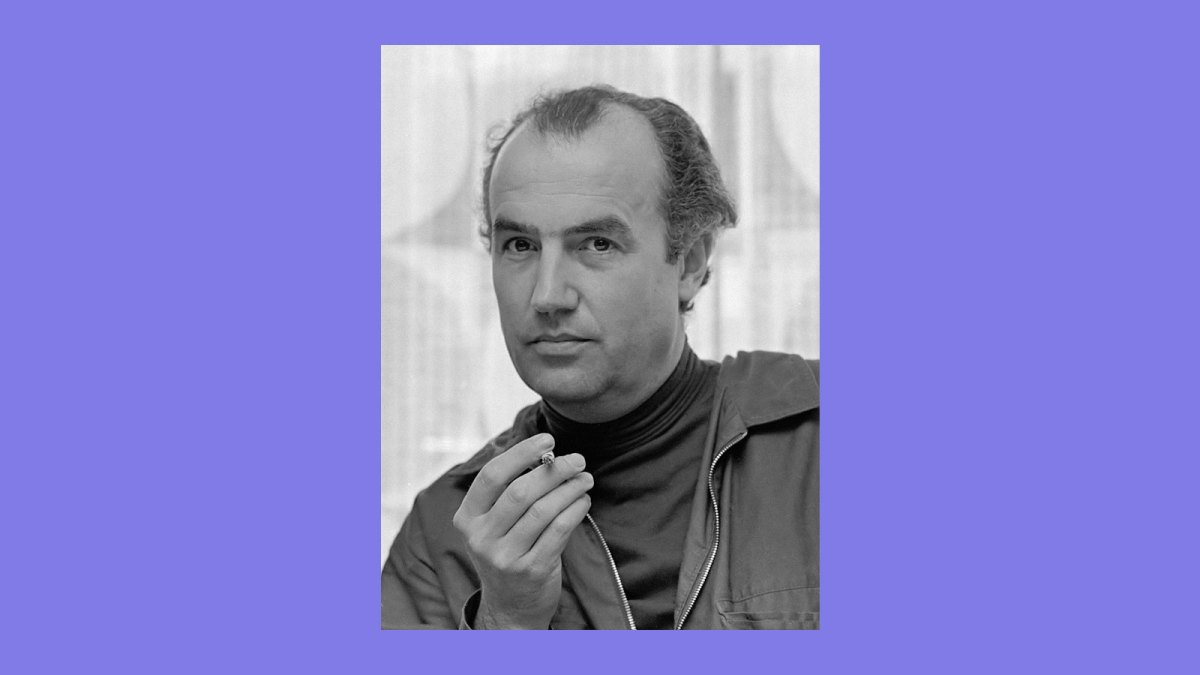
Luigi Nono would have turned 100 on January 29. He was born, raised, and died in Venice, whose tradition of separate choirs performing from different places within the church had a profound impact on the composer’s sense of sound, space, and silence. Despite this relationship with the past, few musical oeuvres have quite as palpable a connection to the impersonal violence and personal alienation of the 20th century as Nono’s, where impassioned political pieces—he joined the Italian Communist Party in 1952—coexist with fragile works, whose pleas never rise above a whisper. Composers who used the serial technique are sometimes portrayed as shutting themselves off from the world to focus on mathematical games. Nono wrote serial music, but he stared the world in the face. He once accused John Cage and others who left aspects of their music to chance of “being afraid of their own decisions and the freedom that they imply.” I don’t think Nono was right about Cage; still, the Italian was a composer who faced the vacuum before the music with rare courage and integrity.
Unlimited access to our
