

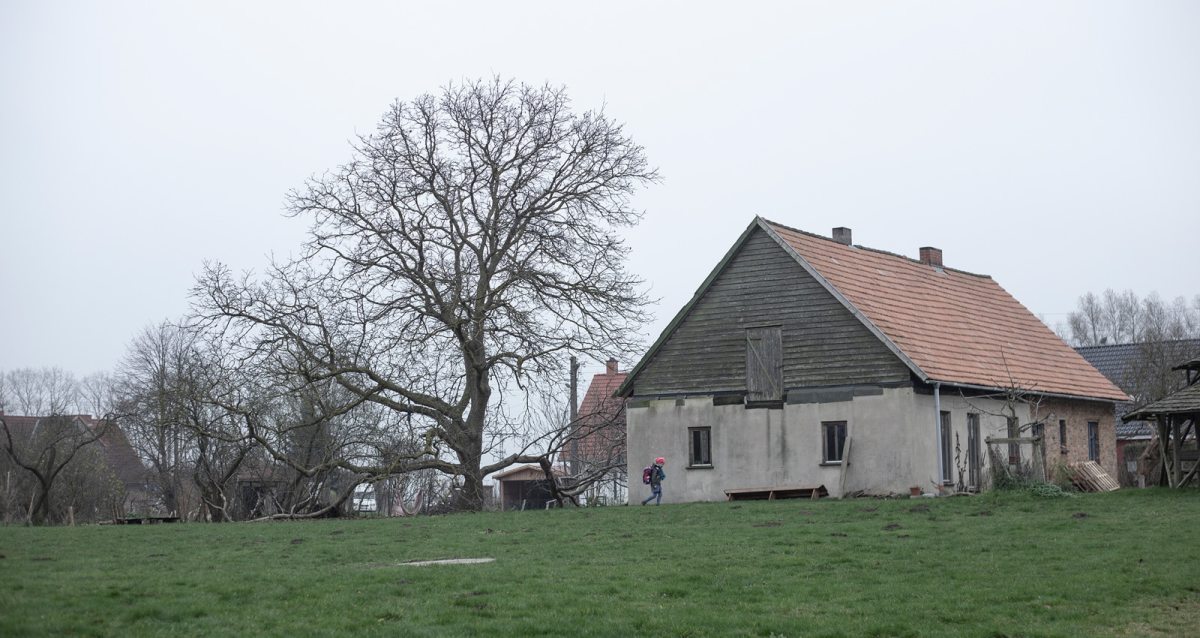
On September 15, 2001, the flutist Klaus Holsten was in the German village of Klein Jasedow, a short drive from the coast of the Baltic Sea, when a truck accidentally unloaded the herbicide Brasan onto 5,000 lemon balm plants. The organic herbs were growing in a garden belonging to Holsten; his wife Beata Seemann, a harpsichordist; Johannes Heimrath, a music therapist, author, and gong builder; and several others. Overnight, local media reported, the green fields were turned yellow or white, like a dusting of fresh snow—in September. The damages were estimated at some 15,000 euros. A local woman sought medical attention, complaining of suspicious flu-like symptoms.
Unlimited access to our
