
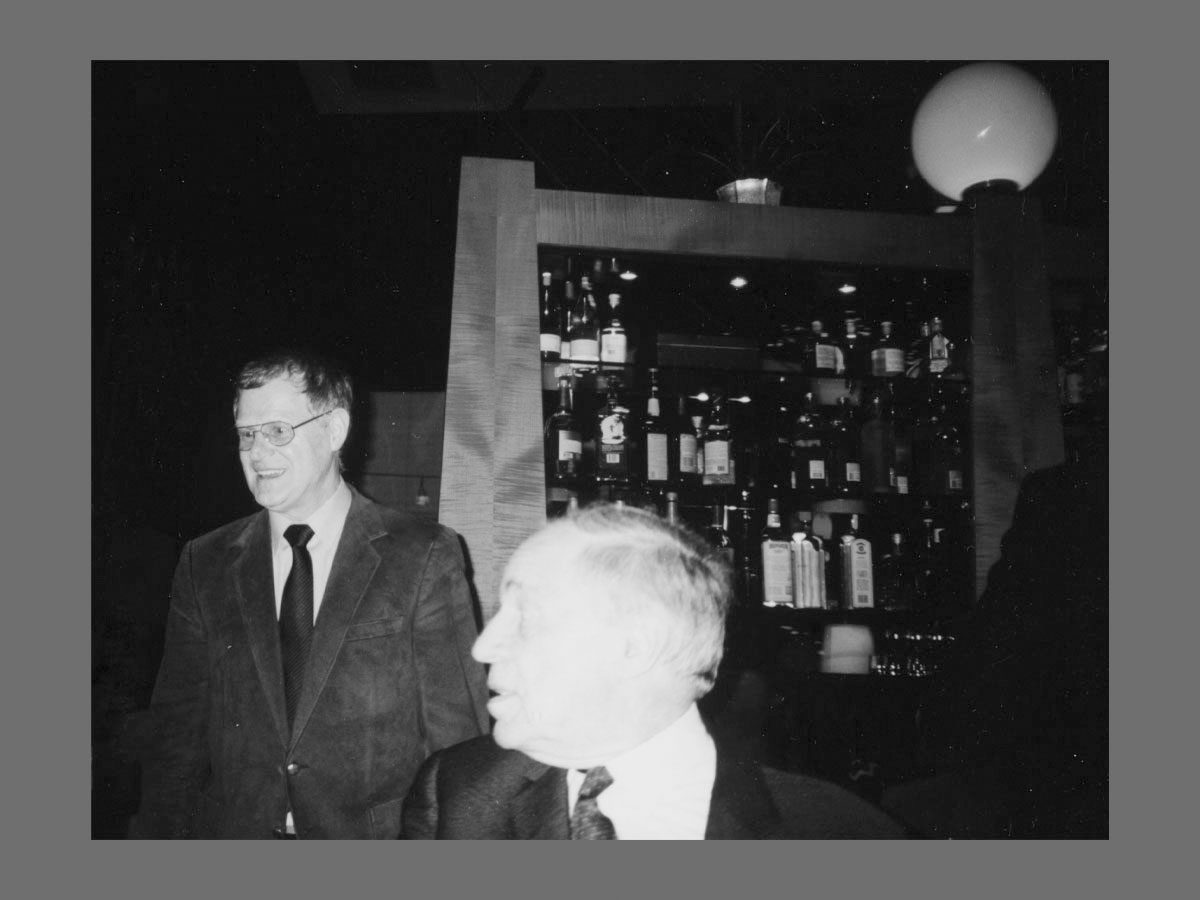

On Tuesday, the newspaper Badische Neueste Nachrichten announced the death of Hans Florian Messner at the age of 84. Messner was best known in musical circles for his connection to Pierre Boulez, for whom he served as a personal valet for over 50 years. Messner hailed from South Tyrol, a German speaking region in the […]
Archive
Posted inReport
License to Earn
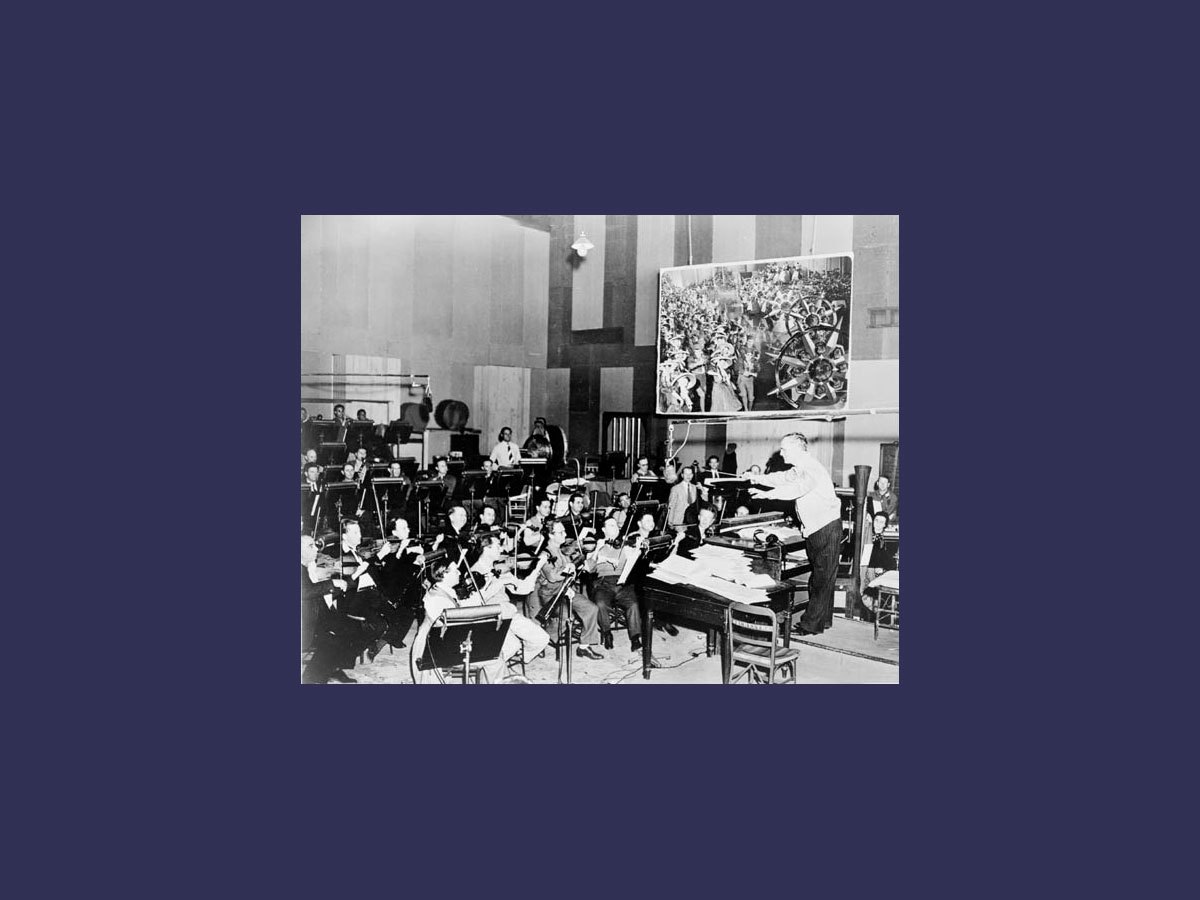
Judging by the number of lightsabers illuminating the packed arena, the Greenville Symphony Orchestra was doing great. Based in South Carolina, the regional orchestra settled below a screen set at the back of the Bon Secours Wellness Arena, which seats a bigger audience than their usual venue, and played the score to “Return of the […]

Posted inReview
Götterdämmerung Without Flames
In the late 19th century, talking about attention was all the rage. And of all that century’s artists and thinkers, Richard Wagner had perhaps the most wildly oscillating views on the fraught relationship between the production and consumption of works of art. At times, these views were a holdover from his revolutionary days: He held […]
Posted inReview
“Disney, of course, would do it better”
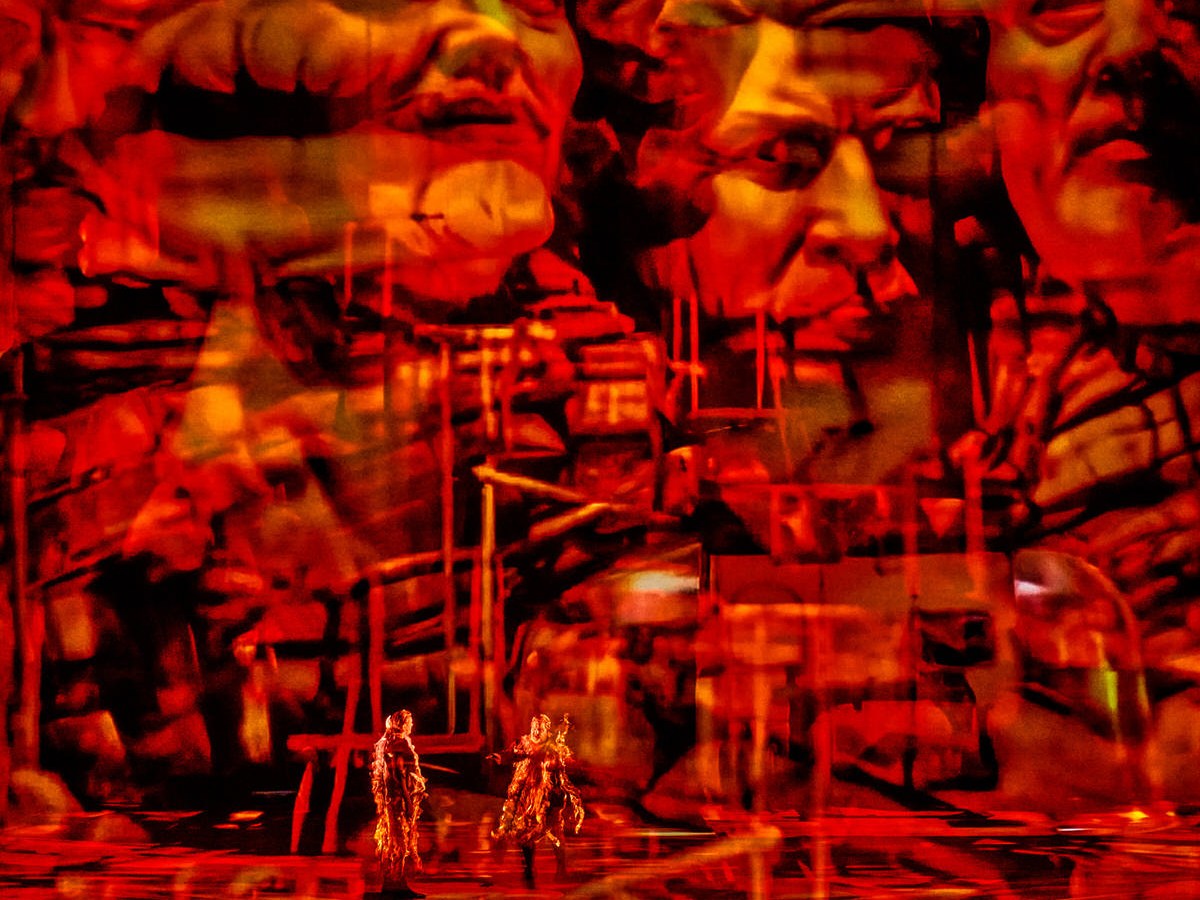
The morning before “Siegfried,” the “curator” of the Bayreuth “Ring,” Marcus Lobbes, gave an interesting question and answer session with Griffin Kaiser, a filmmaker and a member of the Wagner Society of New York. Before I report on what Lobbes said, I must make the point that if a work of art needs discursive intervention […]

Posted inReview
A Day of Genuine Dread
Unlike, apparently, the Wagner family and the minds behind the Bayreuth Festival, I actually like and respect the “Ring” cycle as both a work of art and a way of looking at the world. It feels insane to me that the cycle needs to be defended on its own merit, being one of the most […]

Posted inReview
Enfeebled Expression
AI is everywhere in Bayreuth. When I go to the coffee shop on Sophienstraße, there are AI portraits of Richard Wagner wearing bad emo eyeliner on the walls. On my way to the Festspielhaus, there are AI posters for what can only be described as a “dinosaur rodeo.” AI-generated signs litter the streets—for breakfast, for […]
Posted inReport
Plenty of Fish
I was 15 the first time I went to Le Poisson Rouge. I was in New York on vacation from Canada, and a concert listing for the Kronos Quartet caught my eye. I had grown up on their recordings of Steve Reich, Terry Riley, and Morton Feldman, but to see the group up close, in […]

Posted inReport
Tristan and Isolde and the Politicians
About a month ago, opera lovers in São Paulo were in dismay. Rumor had it that the upcoming production of “Tristan und Isolde” at the Theatro Municipal de São Paulo was canceled. When that was confirmed by a post from the director Felipe Hirsch, a frequent collaborator of the opera house, my phone melted with […]

Posted inEssay
Hall (Liza Lim’s “The Tailor of Time”)
Let me tell you a story. No, let me show you one. No, again: let me sew you one. So you won, says the boy to the ocean who laps at his castle of sand; never mind, I will build it again. So they dance, this pair of unlikeliest lovers, always different and every time […]

Posted inEssay
Church (Liza Lim’s “The Oresteia”)
1987 was a somewhat innocuous year for new music. Neither Orwell nor the Berlin Wall, it straddled the change-years, when the high-rollers of ‘60s and ‘70s European music slowed, gradually uncovering a younger, less stodgy, more disseminated and global avant-garde. Europe as an idea—though it wasn’t sure how yet—was under considerable revision, and the aesthetics […]