


In a brown tracksuit top and wired headphones, with ponytails split in her signature style, Maddie Ashman looked stylistically out of joint around the corporate suits rushing to grab lunch around King’s Cross—more Central Saint Martins than Google HQ. Chatty and amiable, she told me she had just under an hour before her next meeting. […]
Archive

Posted inBreaking
KPIs by Candlelight
Fever, developer of the Candlelight Concert series, is one of the most prominent voices in our space. With 8.2 million followers on Instagram, the Candlelight Concert series is also a dominant force in classical digital marketing. Even if you’ve not attended one of their many concerts, you’ll know what they look like: a quartet of […]
Posted inReview
Heavy Shadows
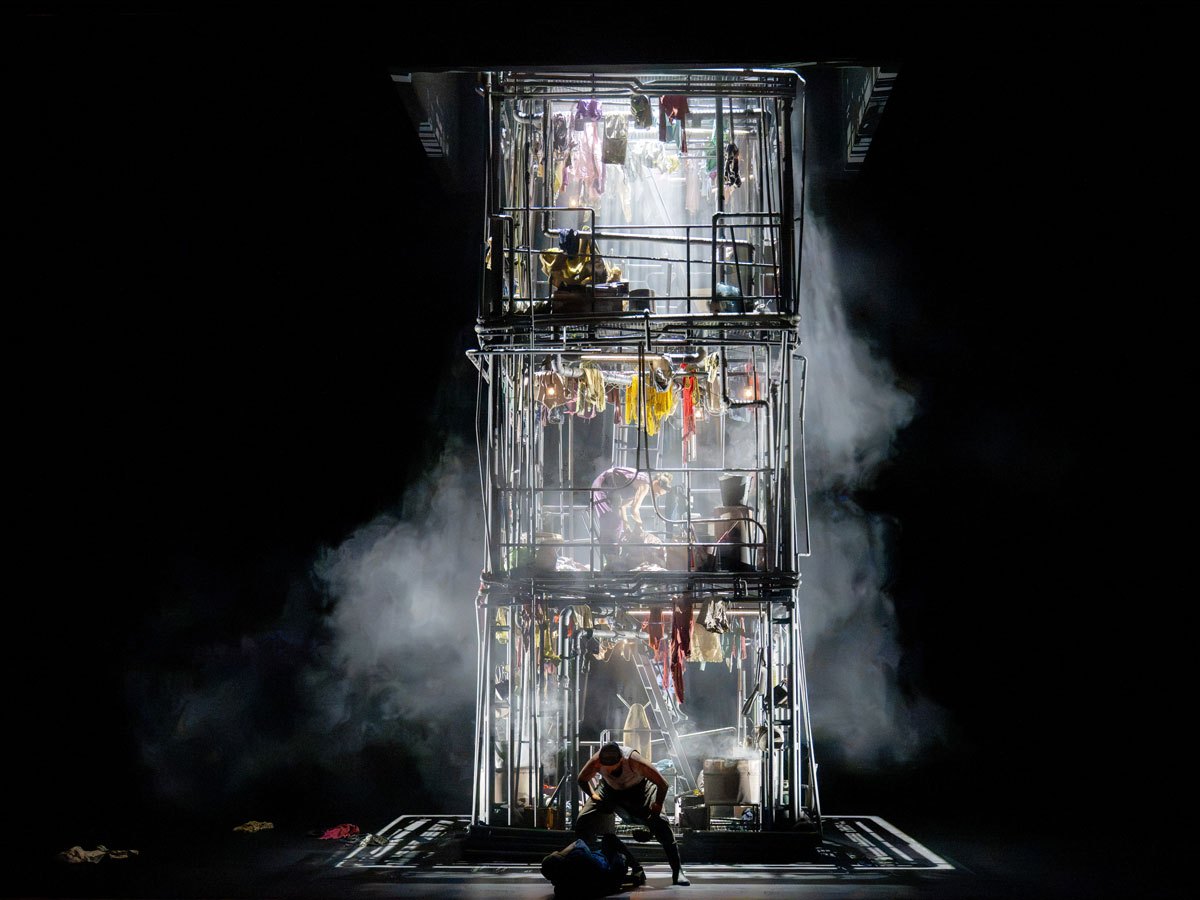
This summer’s Aix-en-Provence Festival began with two journeys from darkness toward light. The first, under the stars at the Théâtre de l’Archevêché, showed Mozart’s Tamino as a little blond boy growing up amid the ruins of civilization. The second, at the indoor Grand Théâtre de Provence, began in near-total darkness, with Richard Strauss’s Amme rocking […]

Posted inReport
Tough Life
On June 22, Maison Krug Champagne invited a group of tanned and tattooed influencer types (plus a few journalists) to taste their champagnes at the Reethaus, a sleek “space for radical presence” on the bank of Berlin’s river Spree. Accompanying the three-part cuvée—“Krug A ‘Clarity,’” “Krug B ‘Ensemble,’” and “Krug C ‘Sinfonia’”—was music by the […]
Posted inEssay
Infinite Wagner
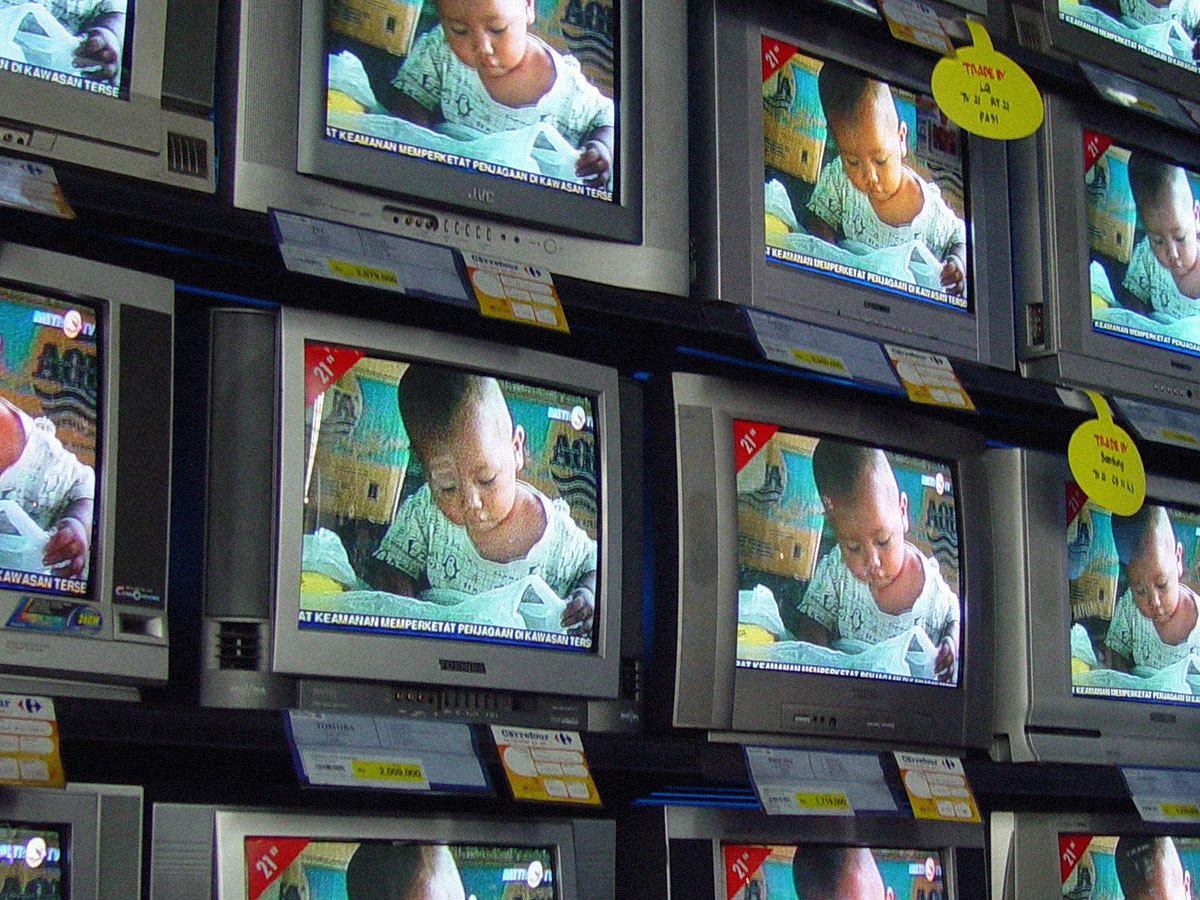
Here is a battered sneaker box, tennis-court green. Inside of it are cassette tapes, their cases smudged and cloudy. Outside of it is a room in a second-floor apartment in Somerville, near Boston. Maybe there’s a desk here, with a spilling box of books beside it. Notebooks strewn about. A gray boombox nearby. And a […]

Posted inProfile
The Temperature of Time
I first met the composer Wang Lu on a warm weekend in south Brooklyn in the spring of 2008. The International Contemporary Ensemble, where I’m a pianist and original member, was about to premiere her “Siren Song.” It was by far the craziest-sounding piece on the program. “This one is beyond the beyond,” I said […]
Posted inEssay
My Affair with Robert Wilson
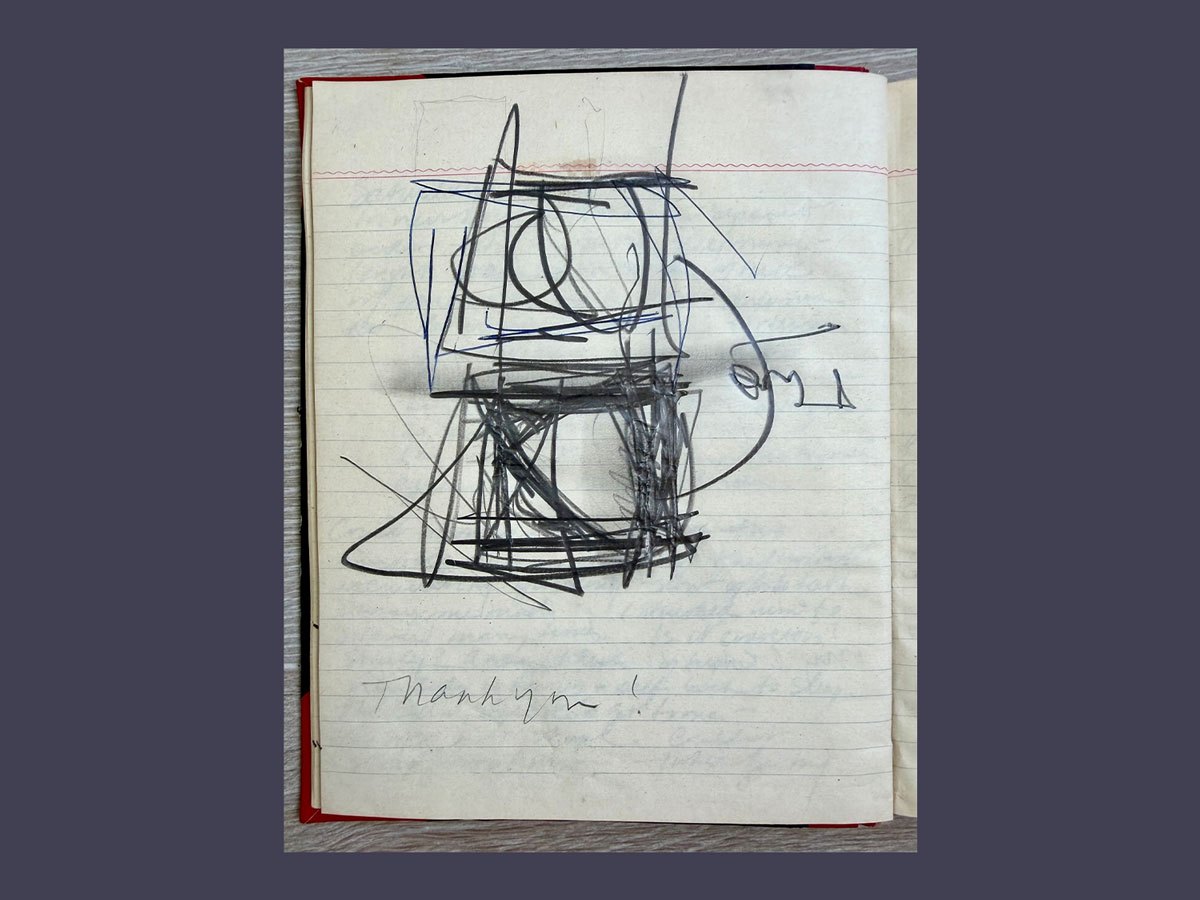
Performance Art Valhalla The first opera I ever saw was the entire “Ring,” which lasts some 15 hours over four days. This was the 1980 Centennial Ring, or Jahrhundertring, marking 100 years since the world premiere of the cycle, which opened the newly built Festspielhaus in 1876. I was fresh out of grad school, living […]
Posted inBreaking
Exclusive: Study Estimates Cost of Berlin Philharmonie Closure: €1.15 Billion
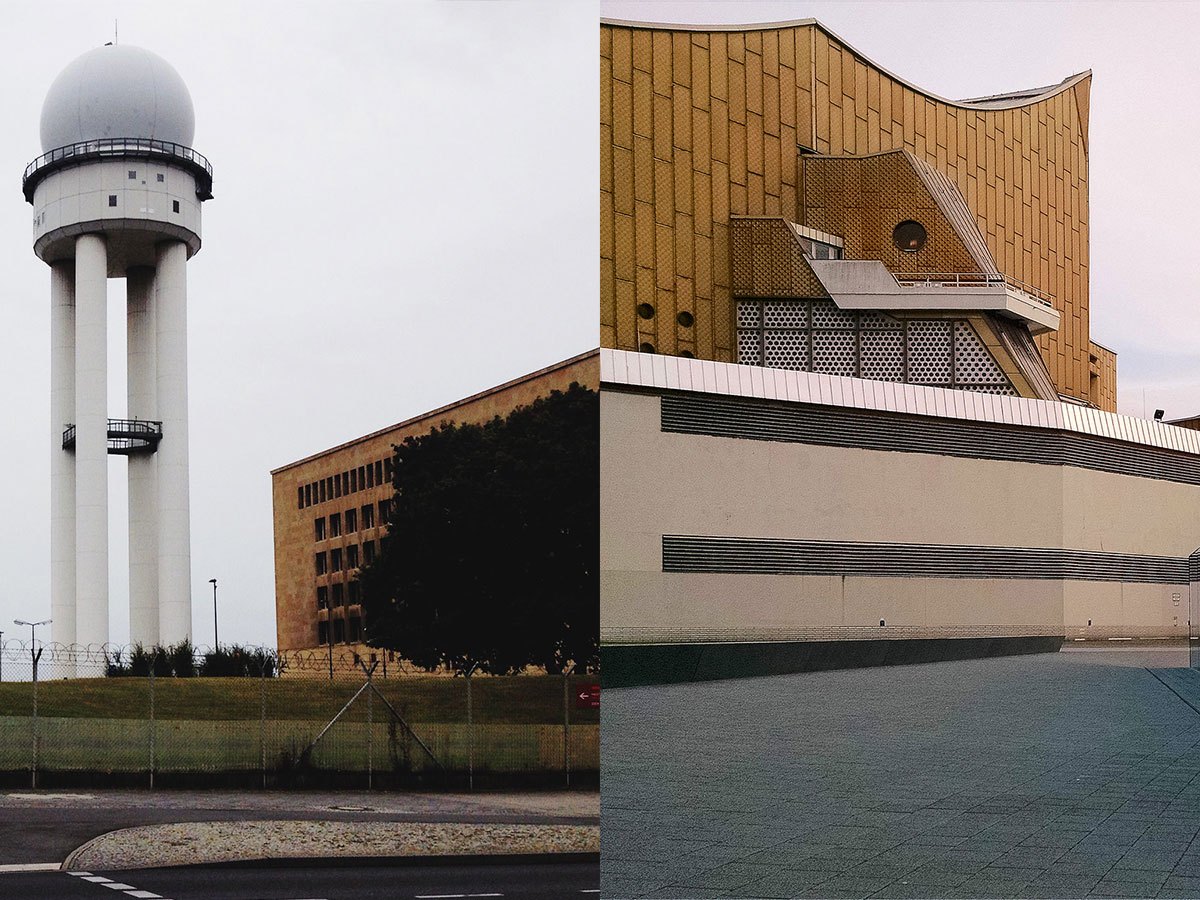
In 2032, the Philharmonie, the home of the Berlin Philharmonic, will close for major renovations—the year of the orchestra’s 150th anniversary. The project raises thorny questions: Where will the Berlin Philharmonic play in the interim? Given broad cuts to the city’s culture budget, how much will the renovations cost? How long will they take? A […]

Posted inInterview
Savor the Calm
We all have the pieces we listen to less than we sit through. Where we think, “Wake me up when it’s over.” Every so often, though, a performer will play those works in a way that makes us bolt upright. Few violinists do this to me as regularly as Augustin Hadelich. He lavishes such attention […]
Posted inEssay
Edvard Grieg, Aura Farmer
On the approach to Troldhaugen, a straight, wide avenue splits into spaghetti paths: down to the shoreside grave, up to the villa, left to the glass-fronted concert hall, and further left to the composing hut. Tracing each route is like walking through a video game landscape. This is World of Grieg, a place where footsteps […]